Loading...
Serving Gulfport, MS and surrounding areas. (228) 256-1842
Gulfport Insulation provides insulation contractor services throughout Waveland, MS - including spray foam insulation, attic insulation, and crawl space vapor barrier work for homes rebuilt after Katrina and properties across Hancock County. We have completed insulation projects throughout Waveland and respond to requests within one business day.
Waveland sits directly on the Gulf and receives around 65 inches of rain per year - the kind of environment where standard fiberglass batts lose effectiveness as moisture cycles through them. Closed-cell spray foam insulation blocks moisture rather than just slowing heat, which makes it the most durable upgrade for Waveland homes in active flood zones and elevated pier foundations.
Post-Katrina homes in Waveland are now 15 to 20 years old, which is when attic insulation begins to settle and compress below the R-49 to R-60 the Department of Energy recommends for this climate zone. With summer attic temperatures topping 140 degrees and the air conditioner fighting that heat all season, an underperforming attic is the fastest route to a runaway electric bill.
FEMA flood zone requirements pushed most of Waveland's post-Katrina rebuilds onto elevated piers or pilings, and those open crawl spaces are in direct contact with Gulf Coast humidity every day. Insulating and encapsulating the crawl space stops moisture from rising into floor joists and subfloor - the kind of damage that is invisible until it becomes expensive.
Waveland lots are flat and low-lying, and the ground stays wet after heavy rain far longer than it would in an area with any elevation. A vapor barrier on the ground beneath the home stops that moisture from evaporating upward into floor systems and framing - a straightforward measure that protects against the rot and mold that Gulf Coast humidity encourages over time.
Post-Katrina construction in Waveland built homes to better wind codes, but air sealing around recessed lights, plumbing penetrations, and attic hatches is still rarely done well enough for a coastal climate. Sealing those gaps before adding insulation is what makes the thermal upgrade actually show up on your electric bill - insulation alone does not stop hot, humid attic air from flowing down into your living space.
Some Waveland homes that have changed hands or gone through undocumented repairs after Katrina may have attic or crawl space insulation that is damaged, contaminated, or simply the wrong type for coastal conditions. Removing compromised material before installing new insulation is not optional - sealing over wet or moldy insulation creates a problem that is harder to fix than the original damage.
Waveland is in a category of its own when it comes to storm history. Hurricane Katrina brought a storm surge that reached 30 feet in parts of the city, destroying most of the buildings that stood before 2005. What you see on the streets of Waveland today was almost entirely built or rebuilt after the storm, which means the housing stock is newer than it looks from the outside - but it has also spent every year since its construction being tested by the same coastal forces that destroyed what came before. Waveland averages around 65 inches of rain per year, sits in a high-risk FEMA flood zone, and faces summer heat and humidity that ranks among the most intense in the country.
The post-Katrina rebuilds that make up most of Waveland's housing were built to post-2005 International Building Code standards, which improved wind resistance significantly. But better wind codes do not automatically mean better insulation or air sealing - and many of those homes were built with the minimum insulation required at the time, which falls well below what the Department of Energy recommends for a Climate Zone 2 location like Waveland. Now that those homes are hitting the 15- to 20-year mark, original blown-in fiberglass is compressing, original vapor barriers are deteriorating, and the elevated pier foundations - while a necessary flood response - create a crawl space exposure that needs ongoing attention in this climate.
We work in Waveland regularly and are familiar with the permit process through Hancock County, which governs most building-related permits for work in the city. Our crews have worked on the range of housing types here - elevated pier homes close to Waveland Beach, slab rebuilds further inland, and the occasional vacation or second-home property that has had years of deferred maintenance. Each of these has a different starting point, and we do not approach them with the same checklist.
Waveland is on the western end of the Mississippi Gulf Coast, with the Bay of St. Louis forming its western boundary and the Gulf of Mexico to the south. The city has a population of around 6,400 - a close-knit, working-class community where most residents own their homes and most of those homes were built after the most destructive natural disaster in the city's history. Hurricane season runs from June through November, and even a tropical storm that does not make direct landfall can deposit two to three inches of rain in a few hours and leave standing water under elevated homes for days.
We also serve Bay St. Louis directly to the east, where the mix of post-Katrina elevated homes and older wood-frame cottages near Old Town presents similar insulation challenges. Our crews move between both cities regularly, and the coastal conditions that drive insulation needs in Waveland are the same ones we address throughout Hancock County.
Call us or submit a contact form and we will follow up within one business day. We will ask a few quick questions about your home - age, what is prompting the call, and whether there has been any storm or water damage - so we arrive prepared with the right assessment approach.
We visit your home and inspect the attic, crawl space, and any areas of concern - measuring what is currently in place and checking for moisture damage or air leaks. You get a written quote itemizing the scope of work and total cost before any commitment is made. The visit typically takes 30 to 45 minutes.
Most attic insulation jobs in Waveland are completed in a single day. For spray foam projects, you and your family will need to be out of the home during application and for a few hours after. The crew handles all setup, material, and cleanup - you just need access to the attic hatch or crawl space entry point.
Before we leave, we walk through the work with you - measuring insulation depth, confirming coverage, and answering any questions about what was installed and why. If questions come up after the job, we are a phone call away.
We serve Waveland and all of Hancock County. Estimates are written, free, and carry no obligation - and we respond within one business day.
(228) 256-1842Waveland is a small Gulf Coast city of about 6,400 residents in Hancock County, sitting at the western end of the Mississippi Gulf Coast with the Gulf of Mexico to the south and the Bay of St. Louis to the west. The city is defined by two things: the public beach along the Gulf, which is the gathering spot and the most recognizable feature of the community, and the legacy of Hurricane Katrina, which in 2005 brought a storm surge that essentially leveled the city. Most of what stands in Waveland today was built after that storm, making it unusual among Mississippi Gulf Coast communities - a city that is both old in history and young in its built environment.
The housing stock is predominantly wood-frame construction with vinyl or fiber cement siding, built on elevated piers or slab foundations to meet post-Katrina FEMA flood elevation requirements. Lots are flat and modest in size, reflecting the low-lying coastal terrain. The economy leans on tourism, fishing, and outdoor recreation, and a mix of full-time residents and vacation or second-home owners occupy the housing throughout the city. Properties near the beach see more seasonal use, while the neighborhoods further inland off Highway 90 are primarily owner-occupied year-round. Our neighbors to the east in Bay St. Louis share very similar building stock and climate conditions, and we work throughout both cities serving homeowners dealing with the same coastal insulation challenges.
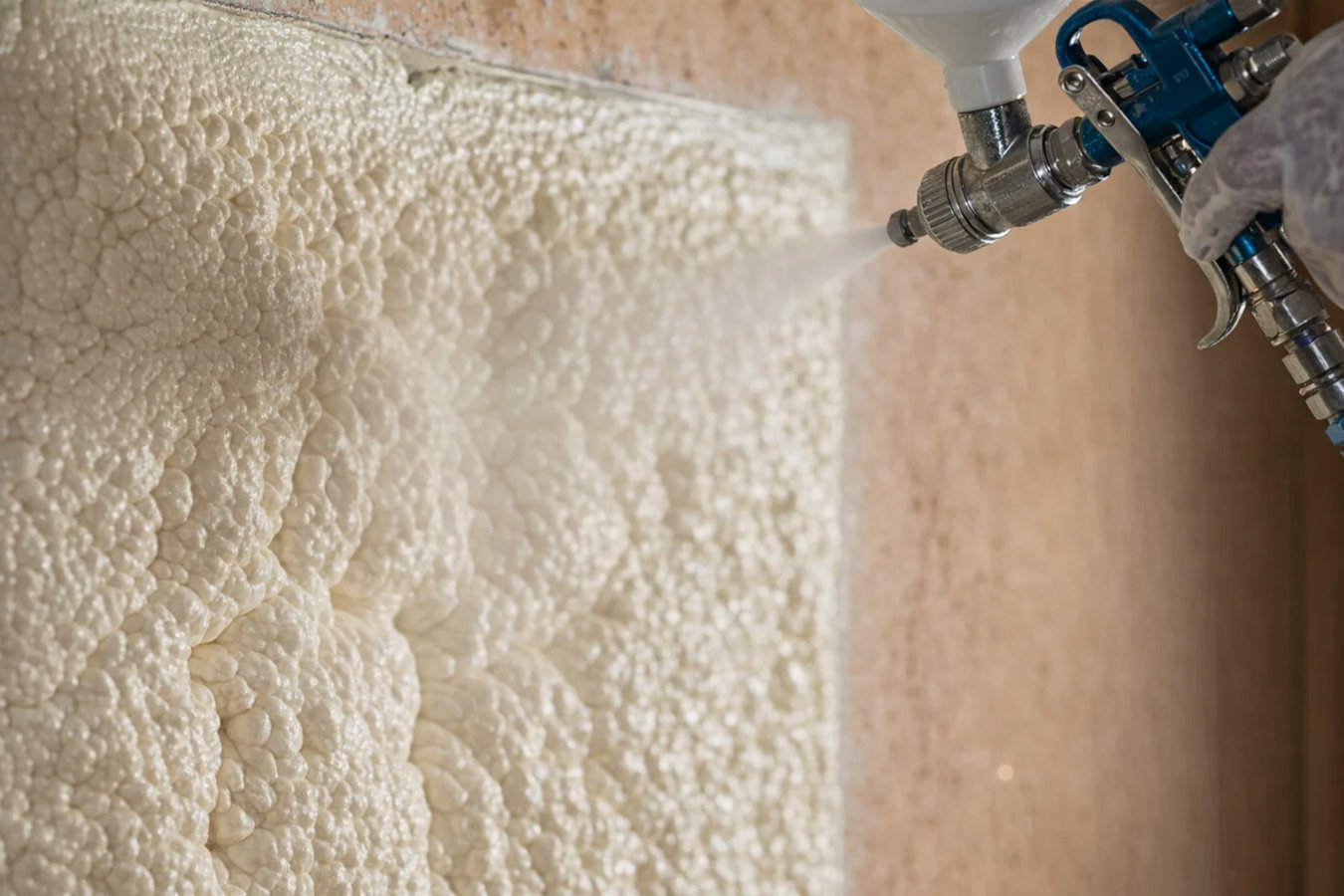
High-performance spray foam that air-seals and insulates in a single application.
Learn moreKeep conditioned air in and outdoor heat out with proper attic insulation.
Learn moreLoose-fill insulation blown into attics and walls for even, gap-free coverage.
Learn moreSafe removal of old, damaged, or contaminated insulation before replacement.
Learn moreInsulate your crawl space to prevent moisture intrusion and heat loss.
Learn moreSeal drafts and air leaks throughout your home to maximize energy efficiency.
Learn moreInsulate basement walls and rim joists to reduce energy loss from below.
Learn moreDense, moisture-resistant closed-cell foam for maximum R-value per inch.
Learn moreFlexible, sound-dampening open-cell foam ideal for interior walls and attics.
Learn moreSeal attic bypasses and penetrations before adding insulation for best results.
Learn moreHeavy-duty vapor barrier installation to control moisture in crawl spaces.
Learn moreProfessional vapor barrier installation to protect your home from moisture damage.
Learn moreAdd insulation to existing homes with minimal disruption to walls and finishes.
Learn moreCommercial-grade insulation for warehouses, offices, and industrial buildings.
Learn morePost-Katrina rebuilds are hitting the 15- to 20-year mark, and Gulf Coast conditions do not ease up. Call us or submit an estimate request and we will give you a written quote within one business day.