Loading...
Serving Gulfport, MS and surrounding areas. (228) 256-1842
Gulfport Insulation brings insulation contractor services to Long Beach, MS homeowners dealing with Gulf heat, coastal humidity, and aging building stock - including spray foam insulation, attic insulation, and crawl space solutions. We have completed insulation projects throughout Long Beach and respond to new requests within one business day.
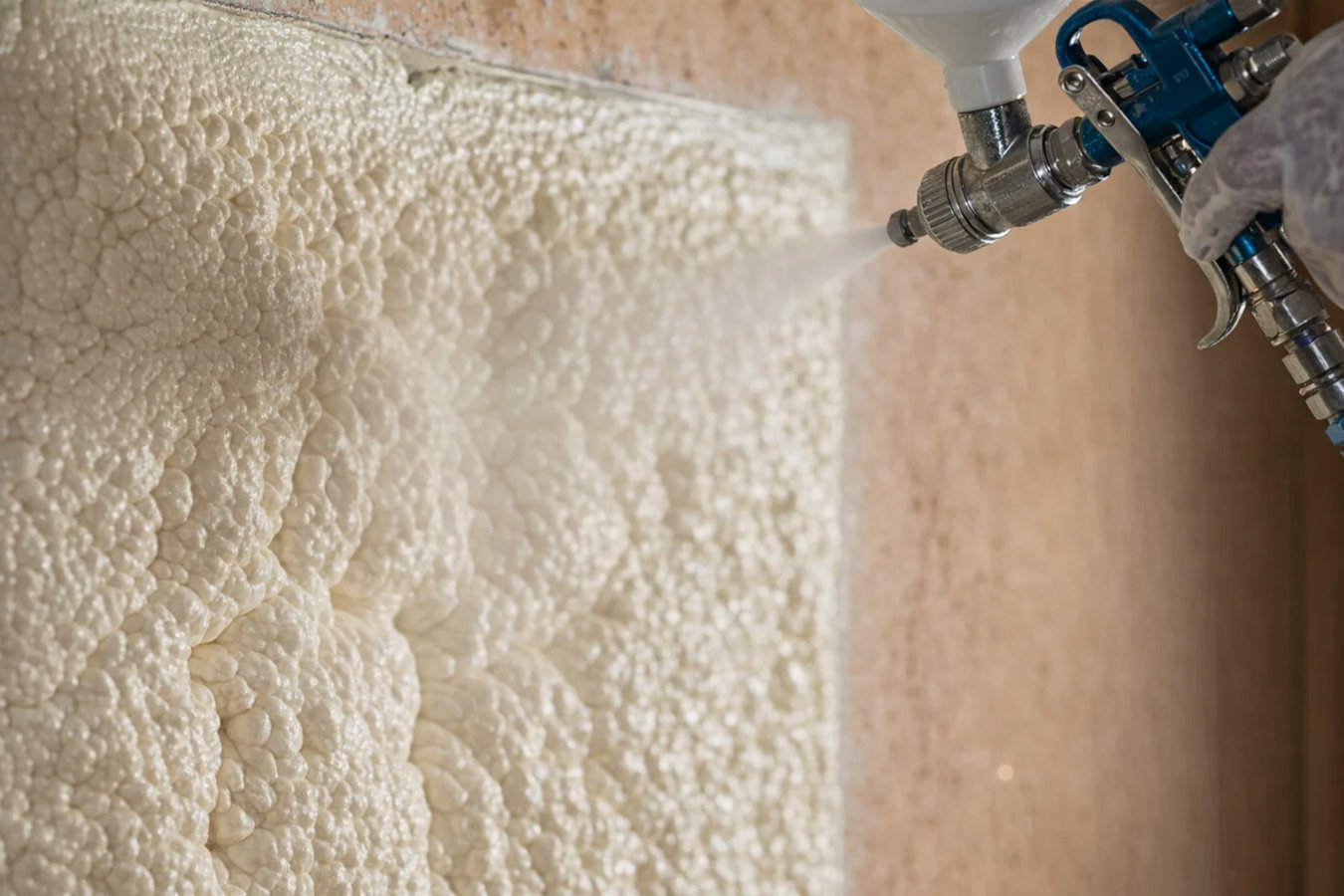
Long Beach homes near the Gulf sit in one of the most humid climates in the country, and standard fiberglass batts lose effectiveness when moisture cycles through them year after year. Closed-cell spray foam seals air and moisture in one step - it is the most durable upgrade for coastal Mississippi homes, and you can read everything about spray foam insulation on our dedicated service page.
Post-Katrina homes in Long Beach are now 15 to 20 years old, which is when attic insulation starts to compress and settle below the R-49 to R-60 recommended for this climate zone. Rooms directly under the roof take the worst of it - an attic upgrade is often the single fastest way to get those spaces comfortable again.
Elevated pier-and-beam homes near Long Beach Harbor have an exposed underside that takes the full force of Gulf humidity from below. Insulating and sealing the crawl space cuts that moisture pathway and keeps floors warmer in winter - even Long Beach winters can bring a hard freeze that surprises homeowners with unprotected crawl spaces.
Long Beach averages around 65 inches of rain per year, and the flat terrain means water lingers near foundations longer than it should. A vapor barrier in the crawl space or on the ground beneath the home stops that ground moisture from moving upward into floor systems and framing - a simple measure that prevents expensive rot and mold problems over time.
Long Beach ranch-style homes built in the 1970s through 1990s were never designed with tight air sealing in mind - gaps around pipes, wires, and HVAC ducts are common. Those gaps let the full force of Gulf Coast humidity pour into the living space around your insulation, making even a good insulation job underperform until the leaks are addressed.
Homes in Long Beach that experienced storm flooding or roof damage during hurricane season may still have original insulation that got wet and never fully dried out. Wet or mold-contaminated insulation needs to come out before new material goes in - sealing over damaged insulation traps the problem and makes it worse.
Long Beach sits directly on the Gulf of Mexico in Harrison County, and the climate here does things to homes that most inland contractors have never dealt with. Summer humidity stays above 70 percent for months at a time, attic temperatures can hit 150 degrees on an August afternoon, and the city receives around 65 inches of rain per year - more than double the national average. That combination of heat, moisture, and rainfall puts constant pressure on insulation materials, air sealing, and vapor control systems. Homes closer to the water also deal with salt air, which accelerates wear on exterior materials and finds its way into any gap or unsealed joint over time.
A large share of Long Beach homes were rebuilt or heavily repaired after Hurricane Katrina in 2005. Those properties were put up quickly under intense demand, and the insulation installed during the rebuild was often standard fiberglass batt - adequate at the time but not optimized for a coastal climate that pushes moisture through walls and floors daily. Now that these homes are approaching the 15- to 20-year mark, that original insulation is showing its age. Meanwhile, older slab-on-grade homes farther north of Highway 90 that survived the storm may still have their pre-2005 insulation, which falls well below current Department of Energy recommendations for Climate Zone 2. Knowing which of these categories your home falls into shapes every decision about materials, installation method, and where to start.
We pull permits and coordinate with the City of Long Beach Building Department regularly, and our crews have worked on homes across the full range of Long Beach housing - from elevated pier-and-beam properties near Long Beach Harbor to the older ranch-style houses on the north side of U.S. Highway 90. That on-the-ground experience means we know what to look for before the first panel comes off an attic hatch.
Long Beach runs between Gulfport to the east and Pass Christian to the west along Highway 90, and the neighborhoods shift noticeably as you move north from the beach. The blocks closest to the water tend to be elevated post-Katrina rebuilds on concrete block or pier foundations, while the streets running north toward the Long Beach High School area carry more of the older slab-on-grade ranch homes. Both have distinct insulation needs, and we bring the right materials for each. The Long Beach School District serves a stable, year-round residential community - the people here own their homes and plan to stay, which means the investment in a proper insulation job pays off over the long term.
We also serve Gulfport just a few miles east, and Pass Christian to the west - if you have a neighbor or family member in either city, we can help them too.
Reach us by phone or through the contact form and we will ask a few basic questions about your home - size, age, and what is prompting the call. We respond to all Long Beach inquiries within one business day.
We visit your home, check the attic, crawl space, or walls, and look for moisture damage, air leaks, or pest activity before recommending anything. The inspection is free, and the written estimate you receive will break down exactly what the work involves and what it will cost - no pressure to sign on the spot.
Most Long Beach insulation jobs are completed in a single day. The crew brings all equipment and materials - you just need to provide access to the work area. Spray foam jobs require you to be out of the home for a few hours after spraying; attic and crawl space jobs do not require you to leave.
Before we leave, we walk the completed work with you and answer any questions. We leave depth markers in attic jobs so you can verify coverage yourself. If anything looks off in the days following the job, call us and we will come back to look at it.
We serve Long Beach homeowners from the harbor neighborhoods to the streets north of Highway 90. Call us or send a message and we will have someone out to take a look - no cost, no pressure.
(228) 256-1842Long Beach is a city of about 14,000 people in Harrison County, sitting directly on the Gulf of Mexico between Gulfport and Pass Christian along U.S. Highway 90. The city has a distinct character from its neighbors - it is a year-round residential community built around its own school district rather than a tourism economy. Most people here own their homes and have roots in the area. Neighborhoods near the Gulf tend to be elevated post-Katrina rebuilds on concrete block or pier foundations, while the streets running north of the highway carry older slab homes with brick veneer and vinyl siding. Long Beach Harbor is the city's most recognizable landmark on the waterfront side, and the high school draws the community together in ways that are visible to anyone working here regularly.
The housing stock in Long Beach is a product of the city's history with storms. Hurricane Katrina in 2005 destroyed or severely damaged a large portion of the homes closest to the water, and most of what stands near the beach today was built between 2006 and 2015. Those homes are newer, but they are now in the range where insulation, roofing, and building envelope materials start to need their first round of real maintenance. Farther inland, the older one-story ranch homes that predate the storm have different needs - lower ceilings, original insulation that may have never been upgraded, and foundations that have dealt with decades of heavy Gulf Coast rainfall. We also serve nearby Bay St. Louis and Waveland further along the coast if you have friends or family in those communities.
High-performance spray foam that air-seals and insulates in a single application.
Learn moreKeep conditioned air in and outdoor heat out with proper attic insulation.
Learn moreLoose-fill insulation blown into attics and walls for even, gap-free coverage.
Learn moreSafe removal of old, damaged, or contaminated insulation before replacement.
Learn moreInsulate your crawl space to prevent moisture intrusion and heat loss.
Learn moreSeal drafts and air leaks throughout your home to maximize energy efficiency.
Learn moreInsulate basement walls and rim joists to reduce energy loss from below.
Learn moreDense, moisture-resistant closed-cell foam for maximum R-value per inch.
Learn moreFlexible, sound-dampening open-cell foam ideal for interior walls and attics.
Learn moreSeal attic bypasses and penetrations before adding insulation for best results.
Learn moreHeavy-duty vapor barrier installation to control moisture in crawl spaces.
Learn moreProfessional vapor barrier installation to protect your home from moisture damage.
Learn moreAdd insulation to existing homes with minimal disruption to walls and finishes.
Learn moreCommercial-grade insulation for warehouses, offices, and industrial buildings.
Learn moreFrom elevated coastal homes near the harbor to ranch-style properties north of the highway, Gulfport Insulation brings the right solution to every Long Beach home. Reach out for a free on-site estimate.