Loading...
Serving Gulfport, MS and surrounding areas. (228) 256-1842
Gulfport Insulation provides insulation contractor services to Slidell, LA homeowners dealing with post-Katrina rebuilds, flood-zone elevated foundations, and relentless Gulf Coast humidity - including spray foam insulation, attic insulation, and crawl space solutions. We serve the St. Tammany Parish area and respond to all Slidell inquiries within one business day.
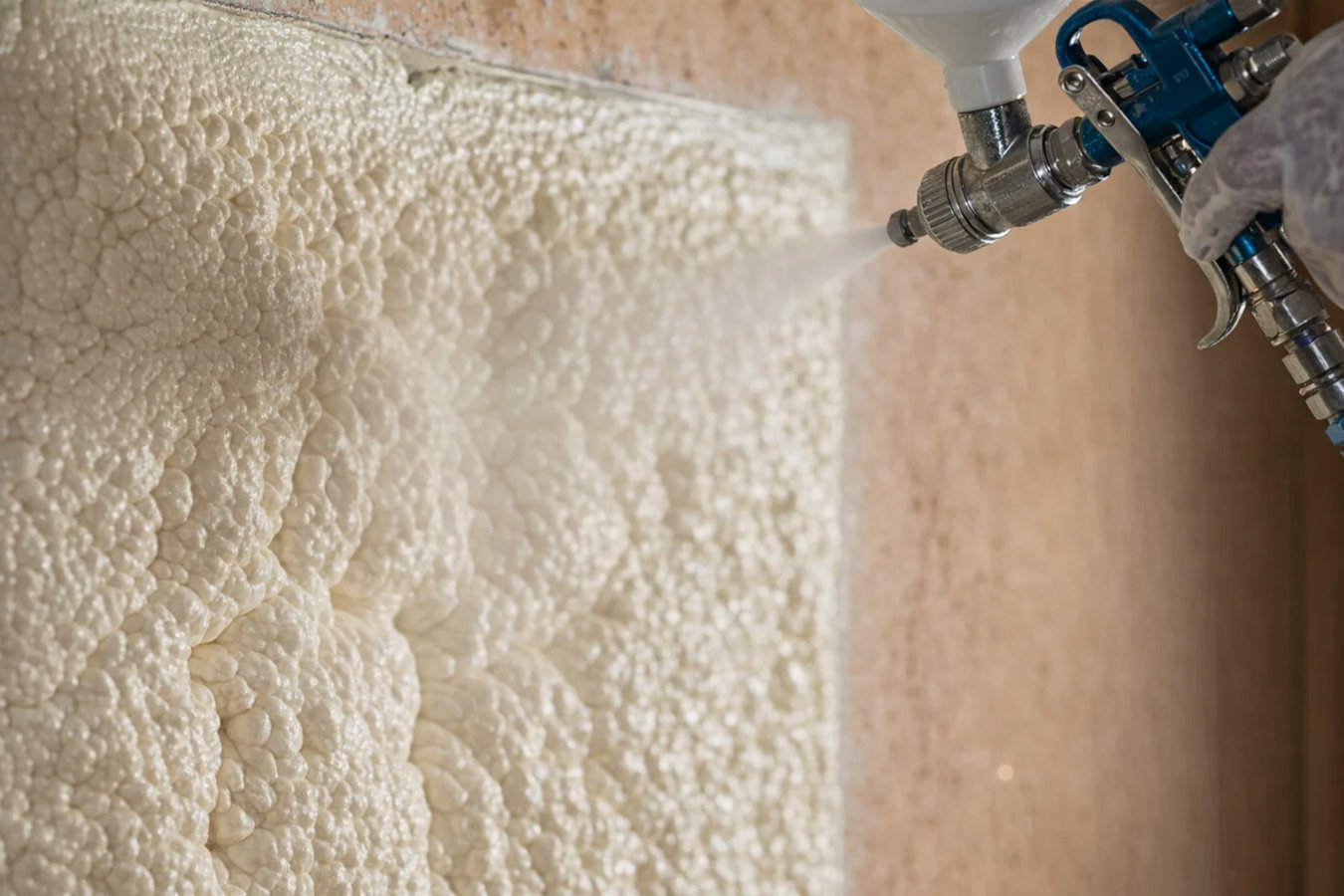
Slidell homes in FEMA flood zones or elevated on piers along the canals in Eden Isles face constant moisture pressure from below and from the humid air that comes off Lake Pontchartrain. Closed-cell spray foam blocks both heat and moisture in a single application - it is the highest-performing upgrade for homes in this environment, and you can learn everything about the process on our spray foam insulation page.
Many Slidell homes were rebuilt or renovated after Hurricane Katrina with insulation installed to minimum code at the time, and those same homes are now approaching the 15- to 20-year mark where attic insulation settles and loses coverage. Rooms under the roof in Slidell summers can reach temperatures that no air conditioner can overcome without the right attic insulation in place.
Elevated Slidell homes built to FEMA flood elevation requirements often have an open crawl space that sits above grade but is still exposed to humid, salt-tinged air from the surrounding low-lying terrain. Insulating that underside stops heat and moisture from rising directly into the living space and protects the floor framing from the slow damage that comes with years of unchecked humidity.
Slidell sits on flat, low-lying land with heavy clay soil that holds water long after heavy rain. Ground moisture wicks upward into crawl spaces and around slab edges, and a properly installed vapor barrier stops that pathway at the source. This is one of the most cost-effective steps any Slidell homeowner near a flood zone can take to protect their floor structure over the long term.
The ranch-style homes and two-story subdivisions that make up most of Slidell's residential neighborhoods were not built with tight air sealing as a priority, and gaps around recessed lights, plumbing penetrations, and HVAC chases let the full force of Gulf humidity bypass your insulation. Sealing those gaps first makes every dollar spent on insulation go further.
A significant share of Slidell homes were flooded or heavily damaged during Hurricane Katrina in 2005, and some of the insulation installed during the rebuild may have absorbed moisture from subsequent storm events and never fully dried out. Installing new insulation over wet or contaminated material locks the problem inside - proper removal before replacement is the right first step in these cases.
Slidell occupies a uniquely demanding climate position: it sits on the north shore of Lake Pontchartrain, just a few feet above sea level in many neighborhoods, and directly in the path of Gulf of Mexico hurricane systems. Summers are long, hot, and extremely humid, with average highs in the low 90s and outdoor humidity that rarely drops to comfortable levels between May and October. The flat, clay-heavy soil that underlies most of the city holds water long after heavy rain events, keeping ground moisture elevated around and under homes for extended periods. Many Slidell neighborhoods are in or near FEMA-designated flood zones, and homes built or rebuilt after Hurricane Katrina were elevated on higher slabs or pier systems to meet flood insurance requirements - which means the underside of the house is exposed to the same humid air that makes the above-grade exterior so demanding.
The housing stock adds another layer of complexity. A large share of Slidell homes were either destroyed by Hurricane Katrina in 2005 and rebuilt in the years that followed, or they were older ranch-style homes from the 1970s and 1980s that were gutted, repaired, and put back together under the pressure of a massive regional recovery effort. Homes rebuilt quickly after Katrina sometimes used minimum-code insulation that was adequate for the moment but not optimized for a climate that puts sustained pressure on building envelopes every single summer. Those homes are now old enough for that original insulation to be compressing, absorbing moisture, and underperforming. Meanwhile, newer subdivisions on the outskirts of Slidell - off Highway 190 and further north - bring their own challenges with vinyl-clad and stucco exteriors that can trap moisture behind cladding if not properly sealed and insulated from the start.
We work in Slidell on a range of property types that you do not encounter as often in other Gulf Coast markets: homes elevated several feet off the ground on concrete piers to meet post-Katrina flood elevation requirements, canal-front properties in neighborhoods like Eden Isles where the underside of the home sits directly above the water table, and post-2005 construction where the walls look new but the insulation behind them was installed in a hurry during the regional recovery. Each of these demands a different approach, and our crews know what to look for before anything comes off the wall.
Slidell sits at the junction of I-10 and I-12, making it straightforward to reach from any part of the city and the broader St. Tammany Parish. The older residential neighborhoods cluster around Olde Towne Slidell along the bayou, while newer subdivisions stretch north and east toward Highway 190. The canal community of Eden Isles is one of the most recognizable residential areas in the city, and many of those homes have specific elevation and moisture challenges that inform how we approach insulation work there. We coordinate with the City of Slidell Building Department and are familiar with St. Tammany Parish permit requirements for insulation and air sealing work.
We also serve Waveland, MS just across the state line to the east, and Picayune, MS to the north - both face the same Gulf Coast climate conditions as Slidell.
Reach us by phone or through the contact form and we will ask a few basic questions about your home - size, age, foundation type, and what is prompting the call. We respond to all Slidell inquiries within one business day.
We visit your home and inspect the attic, crawl space, or both. We check existing insulation depth, look for moisture damage or past water intrusion, and identify air leaks before recommending any work. The inspection is free and the written estimate you receive will break down exactly what is involved and what it costs - no pressure to sign the same day.
Most Slidell insulation jobs are completed in a single day. The crew brings all equipment and materials - you just need to provide access to the work area. Spray foam jobs require you and your household to be out of the home for a few hours after spraying; attic and crawl space jobs do not require you to leave.
Before we leave, we walk the completed work with you and answer questions. Attic jobs get depth markers so you can verify coverage yourself. If anything looks off in the days after the job, call us and we will come back to address it.
We serve Slidell homeowners from the canal neighborhoods in Eden Isles to the newer subdivisions off Highway 190. Call us or send a message and we will schedule a free on-site look - no cost, no pressure.
(228) 256-1842Slidell is a city of roughly 28,000 people on the north shore of Lake Pontchartrain in St. Tammany Parish, sitting at the junction of I-10 and I-12 about 30 miles northeast of New Orleans. The city has grown steadily for years as families seek more space while staying within commuting distance of the city, and St. Tammany Parish has been one of the fastest-growing parishes in Louisiana as a result. Residential Slidell is shaped by its history: the older neighborhoods around Olde Towne Slidell carry the city's original character, with small shops and restaurants along the bayou, while newer subdivisions spread north and east with larger homes on modest lots. Eden Isles, one of the most well-known neighborhoods in the city, is a canal community where many homes sit along the water with private boat docks - a defining feature of what makes Slidell distinct from a typical inland suburb.
A large share of Slidell's housing stock reflects the aftermath of Hurricane Katrina in 2005, which caused severe damage across the city and prompted widespread rebuilding. Homes rebuilt in the years that followed were often elevated on higher foundations to meet revised FEMA flood requirements, which changed the character of many neighborhoods significantly. The result is a mix of post-2005 construction that looks relatively new alongside older ranch-style homes from the 1970s and 1980s that were repaired rather than replaced. Both building generations have specific insulation and moisture-control needs that are shaped by Slidell's low elevation and the persistent humidity that comes off the lake. We also serve nearby Waveland, MS along the coast, where the same post-Katrina rebuild story plays out under nearly identical climate conditions.
High-performance spray foam that air-seals and insulates in a single application.
Learn moreKeep conditioned air in and outdoor heat out with proper attic insulation.
Learn moreLoose-fill insulation blown into attics and walls for even, gap-free coverage.
Learn moreSafe removal of old, damaged, or contaminated insulation before replacement.
Learn moreInsulate your crawl space to prevent moisture intrusion and heat loss.
Learn moreSeal drafts and air leaks throughout your home to maximize energy efficiency.
Learn moreInsulate basement walls and rim joists to reduce energy loss from below.
Learn moreDense, moisture-resistant closed-cell foam for maximum R-value per inch.
Learn moreFlexible, sound-dampening open-cell foam ideal for interior walls and attics.
Learn moreSeal attic bypasses and penetrations before adding insulation for best results.
Learn moreHeavy-duty vapor barrier installation to control moisture in crawl spaces.
Learn moreProfessional vapor barrier installation to protect your home from moisture damage.
Learn moreAdd insulation to existing homes with minimal disruption to walls and finishes.
Learn moreCommercial-grade insulation for warehouses, offices, and industrial buildings.
Learn moreFrom elevated flood-zone homes in Eden Isles to the ranch subdivisions off Highway 190, Gulfport Insulation brings the right solution to every Slidell property. Reach out for a free on-site estimate.