Loading...
Serving Gulfport, MS and surrounding areas. (228) 256-1842
Gulfport Insulation provides insulation contractor services throughout Bay St. Louis, MS - covering home insulation, attic insulation, and crawl space vapor barriers for homes near the bay and inland throughout Hancock County. We have completed insulation projects across Bay St. Louis and respond to estimate requests within one business day.
Bay St. Louis homes near the waterfront face a combination of salt air, high humidity, and heavy rainfall that degrades insulation materials faster than most homeowners expect. A complete home insulation assessment covers the attic, walls, and crawl space together - because addressing one area without the others leaves the biggest heat and moisture pathways open.
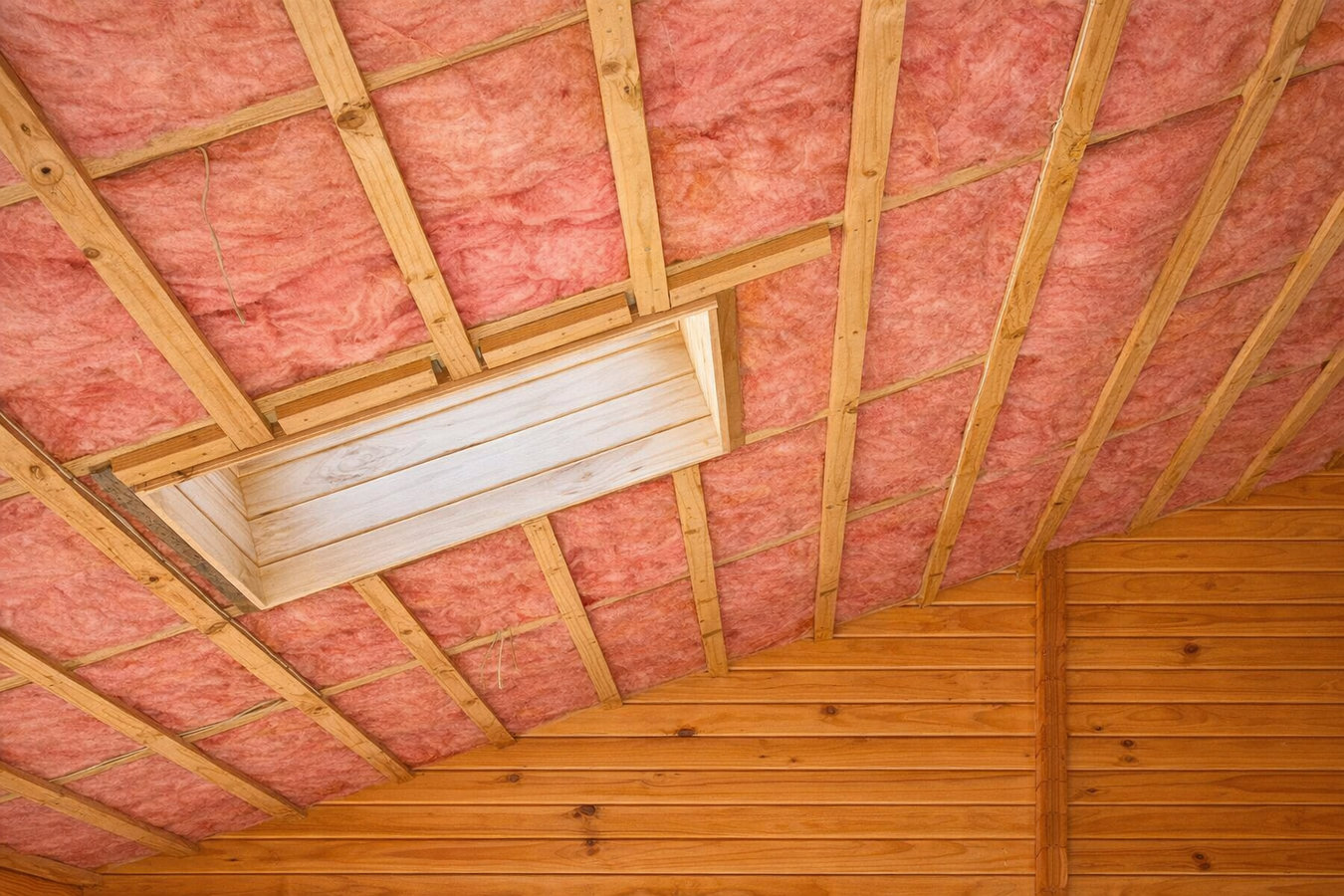
Post-Katrina rebuilds in Bay St. Louis are now 15 to 20 years old, and the attic insulation installed during those quick rebuilds was often standard fiberglass batt rated well below the R-49 to R-60 recommended for this climate zone. In a city that averages 65 inches of rain and summer heat indexes above 100 degrees, a thin attic means your air conditioner fights heat pouring in from above all season long.
Many Bay St. Louis homes were elevated on piers or pilings after Katrina to meet FEMA flood elevation requirements - and the open space underneath those homes is a direct pathway for Gulf Coast humidity into your floor system. Insulating and encapsulating that crawl space cuts the moisture pathway and protects the framing that holds your floors up.
The flat coastal terrain around Bay St. Louis means that after a heavy rain, water lingers near home foundations longer than it would in an area with any slope. A vapor barrier on the crawl space ground keeps that ground moisture from evaporating upward into floor joists and subfloor - a simple measure that prevents wood rot and mold that can be expensive to fix once it gets a foothold.
For Bay St. Louis homes in active flood zones or close to the bay, closed-cell spray foam is the right choice for crawl spaces and rim joists - it blocks moisture penetration rather than just slowing heat flow. Older wood-frame cottages near Old Town that were built with no real air sealing benefit especially from spray foam, which fills the irregular gaps that batt insulation cannot reach.
Bay St. Louis homes that experienced flooding or roof damage during Katrina or subsequent storms may still have original insulation that got wet and never fully dried. Damaged insulation needs to come out before new material goes in - sealing moisture inside an attic or crawl space with fresh insulation on top creates a mold problem that is far harder to fix than the original water damage.
Bay St. Louis sits directly on the Bay of St. Louis, a wide tidal inlet connected to the Gulf of Mexico, and the city receives around 65 inches of rain per year. The flat coastal terrain means that water from heavy rain events does not drain quickly - it sits near foundations, collects under elevated homes, and raises the humidity that crawl spaces and attic spaces have to fight all season. Summer heat indexes regularly top 100 degrees, and the salt air off the bay finds every gap in an exterior building envelope and accelerates wear on caulk, paint, and wood siding faster than most homeowners expect. These are not conditions that standard inland insulation practices are built to handle.
A significant share of Bay St. Louis housing was destroyed by Hurricane Katrina in 2005 and rebuilt in the years that followed. Those post-Katrina homes were often constructed quickly under high demand, with insulation that met the code minimum at the time but was not optimized for the coastal moisture and heat load they would face every year. Now that those rebuilds are 15 to 20 years old, the original insulation is compressing, settling, and showing the effects of humidity cycling. At the same time, older homes near Old Town and along streets like Main Street that survived the storm may still have their pre-2005 insulation - which typically falls well below what the Department of Energy recommends for this climate zone. The right insulation strategy depends heavily on which of these categories your home falls into.
Our crews work regularly in Bay St. Louis and coordinate with the City of Bay St. Louis on permit requirements for insulation work in Hancock County. We have worked on the full range of housing here - from elevated pier-and-piling homes in the flood zones near the waterfront to the wood-frame cottages in Old Town and the slab-on-grade homes off Highway 90 further from the bay. Each type has its own insulation priorities, and we do not treat them the same.
Bay St. Louis is the county seat of Hancock County, and it has a distinct character that other Gulf Coast cities do not share. The arts district along Main Street and Beach Boulevard draws visitors from across the region and has brought renovation activity to older properties near the historic core. NASA Stennis Space Center sits just north of the city and is one of the largest employers in the county, which means a steady base of full-time residents who take their homes seriously. Whether your property is right along the seawall or a few blocks inland, the Gulf Coast climate works on it every year.
We also serve Pass Christian to the east, where the housing mix of pre-storm cottages and elevated rebuilds is similar, and Waveland to the west, where nearly the entire housing stock was rebuilt after Katrina. Both areas share the same fundamental insulation challenges as Bay St. Louis - coastal humidity, high annual rainfall, and post-storm building stock that is now reaching its first major maintenance cycle.
Reach out by phone or through our contact form and we will follow up within one business day. We will ask a few basic questions - home age, areas of concern, and whether you have had any storm or water damage - so our crew arrives prepared.
We visit your home, inspect the attic, crawl space, and any problem areas, and measure what is currently in place. You receive a written estimate that itemizes the work, materials, and total cost - no verbal quotes, no surprises. Most visits take 30 to 45 minutes.
Most attic insulation jobs are completed in a single day. The crew handles all setup and cleanup - you just need clear access to the attic hatch or crawl space entry. For spray foam projects, plan to be out of the home during application and for a few hours after.
Before we leave, we walk through the completed work with you - measuring insulation depth, confirming vapor barrier coverage, and answering any questions about what was done and why. If anything comes up after we leave, we are a phone call away.
We work throughout Bay St. Louis and Hancock County. Estimates are free, written, and come with no obligation - and we respond within one business day.
(228) 256-1842Bay St. Louis is a small Gulf Coast city of roughly 13,000 to 14,000 residents in Hancock County, sitting directly on the Bay of St. Louis, a tidal inlet connected to the Gulf of Mexico. The city is best known for its historic Old Town district - the galleries, restaurants, and shops along Main Street and Beach Boulevard that have made Bay St. Louis a recognized arts destination on the Gulf Coast, drawing visitors from across the region and from New Orleans. The public beach and seawall along Beach Boulevard are gathering spots for locals and a visible symbol of the city's recovery since Hurricane Katrina made a near-direct hit in 2005.
The housing stock in Bay St. Louis reflects the city's history. Near Old Town and the waterfront, there are wood-frame cottages and Craftsman bungalows built in the early to mid-1900s - many restored after Katrina, some originals that survived. Further from the water, and throughout the newer neighborhoods off Highway 90, the dominant building type is the post-Katrina elevated home: slab or pier construction, built to post-2005 codes with flood elevation in mind. A mix of full-time owner-occupied homes and vacation or short-term rental properties is spread throughout the city, particularly near the waterfront. Neighbors in the next block might include insulation challenges from a different decade entirely. For a full look at the insulation services available throughout this area, see our neighbors in Long Beach to the east, where the Harrison County coastal housing mix raises similar questions for homeowners.
High-performance spray foam that air-seals and insulates in a single application.
Learn moreKeep conditioned air in and outdoor heat out with proper attic insulation.
Learn moreLoose-fill insulation blown into attics and walls for even, gap-free coverage.
Learn moreSafe removal of old, damaged, or contaminated insulation before replacement.
Learn moreInsulate your crawl space to prevent moisture intrusion and heat loss.
Learn moreSeal drafts and air leaks throughout your home to maximize energy efficiency.
Learn moreInsulate basement walls and rim joists to reduce energy loss from below.
Learn moreDense, moisture-resistant closed-cell foam for maximum R-value per inch.
Learn moreFlexible, sound-dampening open-cell foam ideal for interior walls and attics.
Learn moreSeal attic bypasses and penetrations before adding insulation for best results.
Learn moreHeavy-duty vapor barrier installation to control moisture in crawl spaces.
Learn moreProfessional vapor barrier installation to protect your home from moisture damage.
Learn moreAdd insulation to existing homes with minimal disruption to walls and finishes.
Learn moreCommercial-grade insulation for warehouses, offices, and industrial buildings.
Learn moreSalt air, heavy rain, and Gulf humidity take a toll on insulation every year. Call us or submit an estimate request and we will assess your home and give you a written quote within one business day.